

A single mistranslated indemnity clause can void a cross-border deal. A missed interpreter connect time can leave a patient without informed consent. A vague statement of work can turn a fixed budget into a stream of surprise per-word charges. Choosing a language partner is really two jobs: evaluate the vendor’s capability, then scrutinize the contract terms. This guide on how to evaluate a language services vendor before signing a contract covers both, so you commit with evidence instead of a sales pitch.
Start With Your Own Requirements, Not the Sales Pitch
Before you talk to any provider, document what you actually need. List your languages, the modalities involved, document translation, over-the-phone interpretation (OPI), video remote interpreting (VRI), plus volume, turnaround, and subject matter. A clear internal brief is the best thing you can do before signing a contract with a vendor: you can’t judge a proposal against requirements you never wrote down.
Map your use cases
Accuracy stakes differ sharply by context. Legal, healthcare, government, and general business translations each carry distinct compliance and liability profiles. Public buyers formalize this in detail, the City of Durham’s Language Access Services solicitation shows the granularity a serious purchaser specifies, from certifications to response times. Borrow that discipline even for a private engagement.
How to Evaluate Vendor Quality and Credentials
Linguist qualifications and subject-matter expertise
Ask who does the work. For high-stakes content like legal translation, you want linguists with domain credentials and courtroom or contract experience, not a generalist pool. Request named qualifications, not vague assurances.
Quality assurance process
A credible vendor can describe its QA workflow: translation, independent revision, editing, and, where warranted, back-translation. Ask to see the actual steps and who signs off. “We check everything” is not a process.
Certification and notarization capabilities
Clarify exactly what the vendor can deliver: certified translations, notarized documents, and remote online notarization where you need it. These are distinct services with distinct legal weight, so confirm the specifics rather than assuming.
Interpretation delivery
Understand the modalities. OPI means a spoken interpreter joins by phone on demand. Video interpreting, or VRI, adds a visual channel, which matters for sign language and for building rapport. For both, probe average connect times, language availability, and after-hours coverage.
Data Security, Confidentiality, and Compliance
Language vendors routinely handle contracts, filings, and protected health information. Confirm confidentiality and NDA terms, how documents are stored and transmitted, who can access them, and which regulations apply to your sector and governing law. Your contract team will look for the same protective language captured in the University System of New Hampshire’s vendor contract review guidance, data handling, security obligations, and compliance representations that survive the length of the engagement. If a vendor is evasive here, treat it as disqualifying.
What to Scrutinize in the Contract Before You Sign
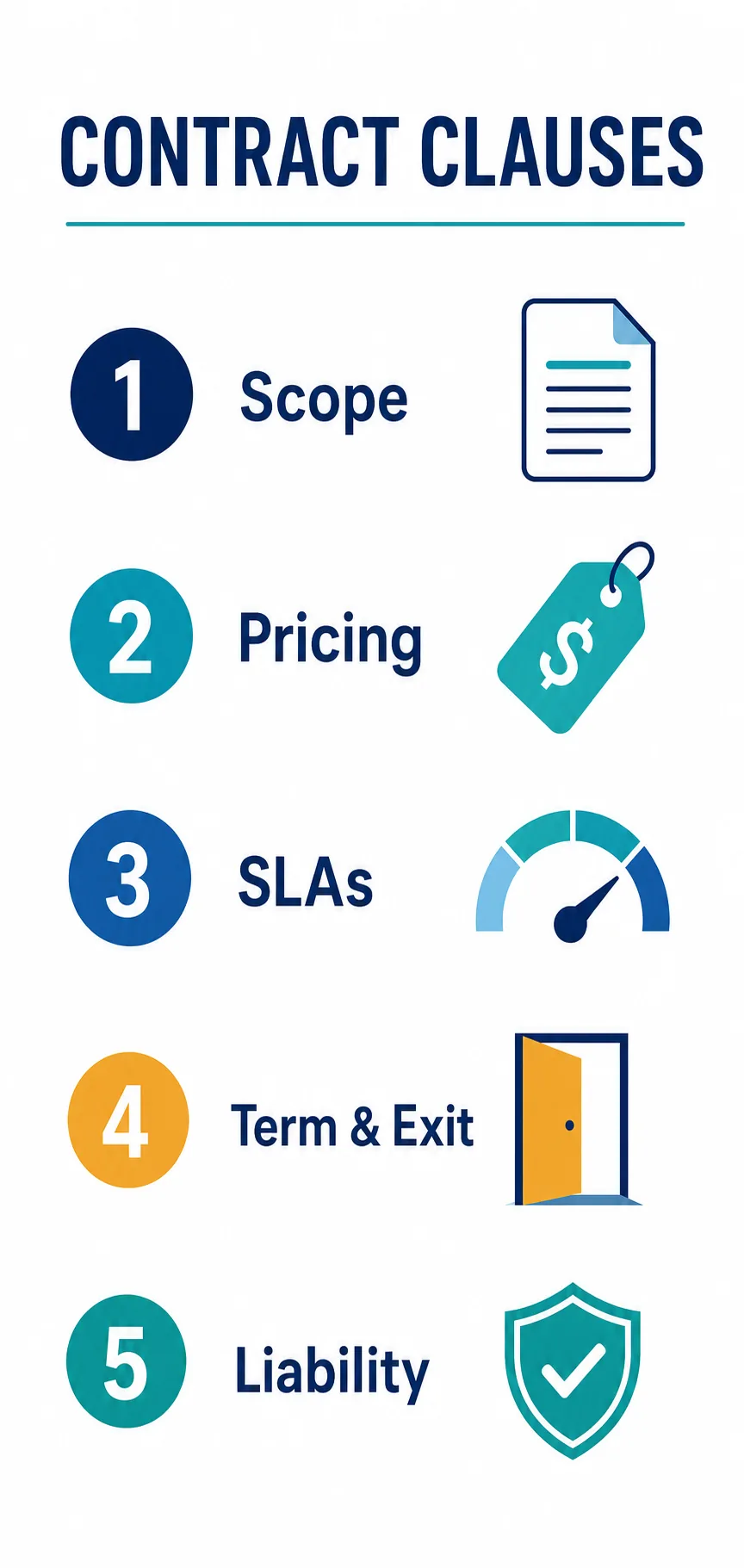
Reviewing a language contract comes down to five clauses.
| Clause | What to confirm |
|---|---|
| Scope of work and deliverables | Exactly what the vendor delivers, in what format, and by when. Vague scope is the leading cause of unexpected charges and disappointing output, pin it down. |
| Pricing and payment terms | How services are billed: per word for translation, per hour or per minute for interpreting, plus minimums and rush fees. Insist on a transparent rate card and confirm what triggers a surcharge. |
| Service level agreements | Quantify turnaround, interpreter connect times, and accuracy, and specify remediation when a target is missed. A number with a consequence attached is worth more than a promise. |
| Term, renewal, and termination rights | Watch for automatic renewals and long lock-ins. Confirm exit rights, notice periods, and that data and translation memories are returned on offboarding. |
| Liability, indemnification, and insurance | Decide who bears the cost of a damaging error and confirm the vendor carries adequate insurance. |
The way professionals negotiate these terms in high-stakes agreements is illustrated in LSU Health Sciences Center’s training on clinical trial agreement negotiations, where scope, indemnity, and liability caps are worked through line by line. Bring the same rigor to your language contract.
Red Flags and Questions to Ask Every Vendor
Walk away, or dig deeper, when you see:
- No documented QA process, or reluctance to explain it
- Won’t name linguist credentials or relevant specializations
- Evasive answers on data security and confidentiality
- A poorly written website or proposal, sloppy self-representation predicts sloppy work
- No references in your industry
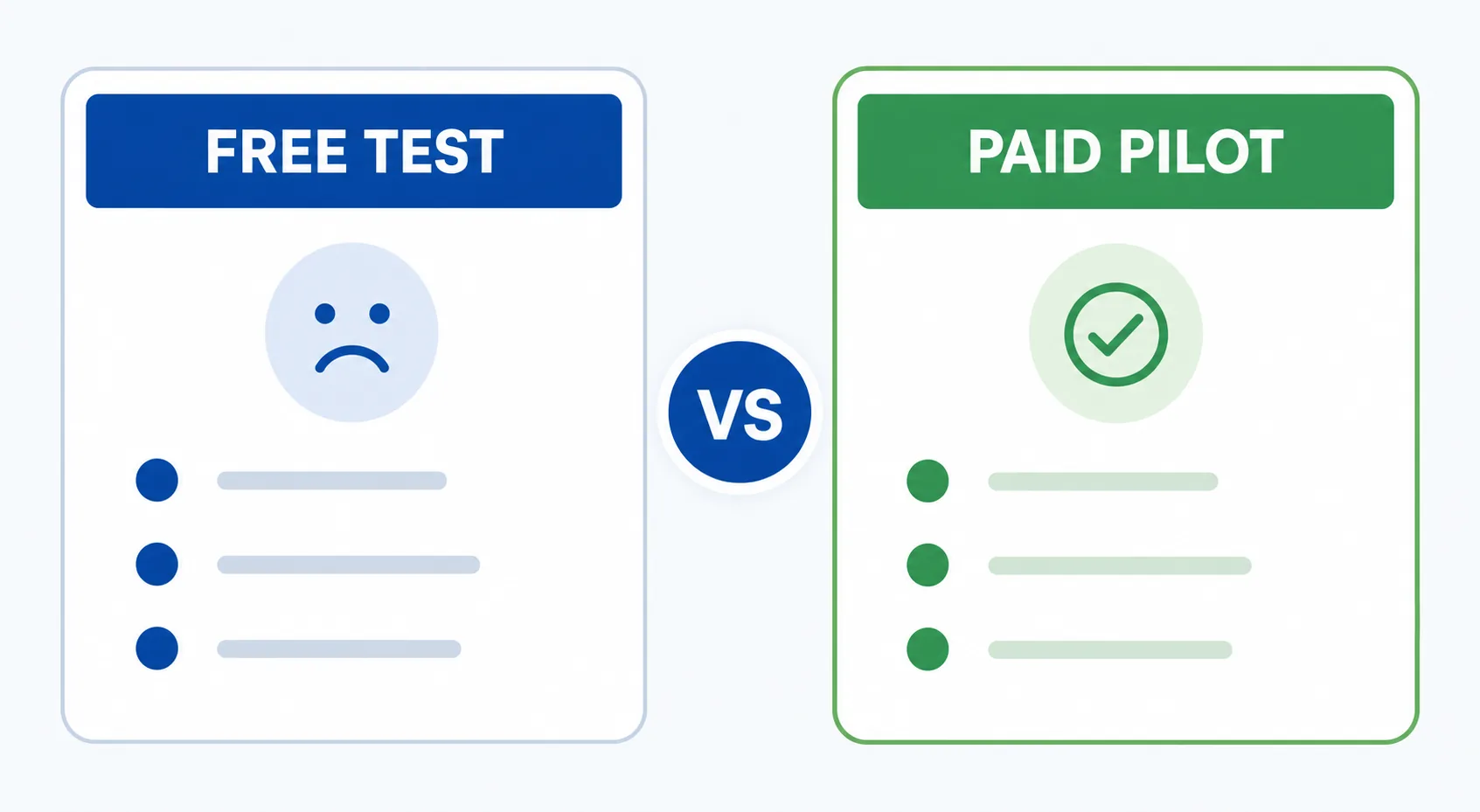
- Resistance to a paid pilot before a full commitment
Why a paid test project beats a free “test translation”
Free, unpaid test translations are a recurring grievance among professional linguists, and for good reason. A short paid pilot on real material tells you more than any sample deck, you see genuine turnaround, QA, and communication while treating the people doing the work fairly. Vendors confident in their quality welcome it.
A number with a consequence attached is worth more than a promise.
Comparing Vendors and Making the Final Decision
Score finalists on a simple weighted scorecard: quality, specialization, security, price, service, and references. Weight the criteria that matter most to your use case, then let the numbers check your gut.
The same framework helps when you’re weighing a change of provider. Judge the options on identical criteria rather than defaulting to the familiar name, switching costs are real, but so is the cost of staying with a vendor that no longer fits.
Frequently asked questions
What should organisations do before signing a contract with a vendor?
How do you review a contract before you sign it?
What does OPI mean in interpretation?
What’s the difference between OPI and video remote interpreting?
A rigorous evaluation protects three things at once: linguistic accuracy, your budget, and your compliance posture.